Plastic Mould Steel
NAK80 steel supplier in Mumbai
A pre-hardened mould steel designation requested for precision moulds and high-finish tooling applications.
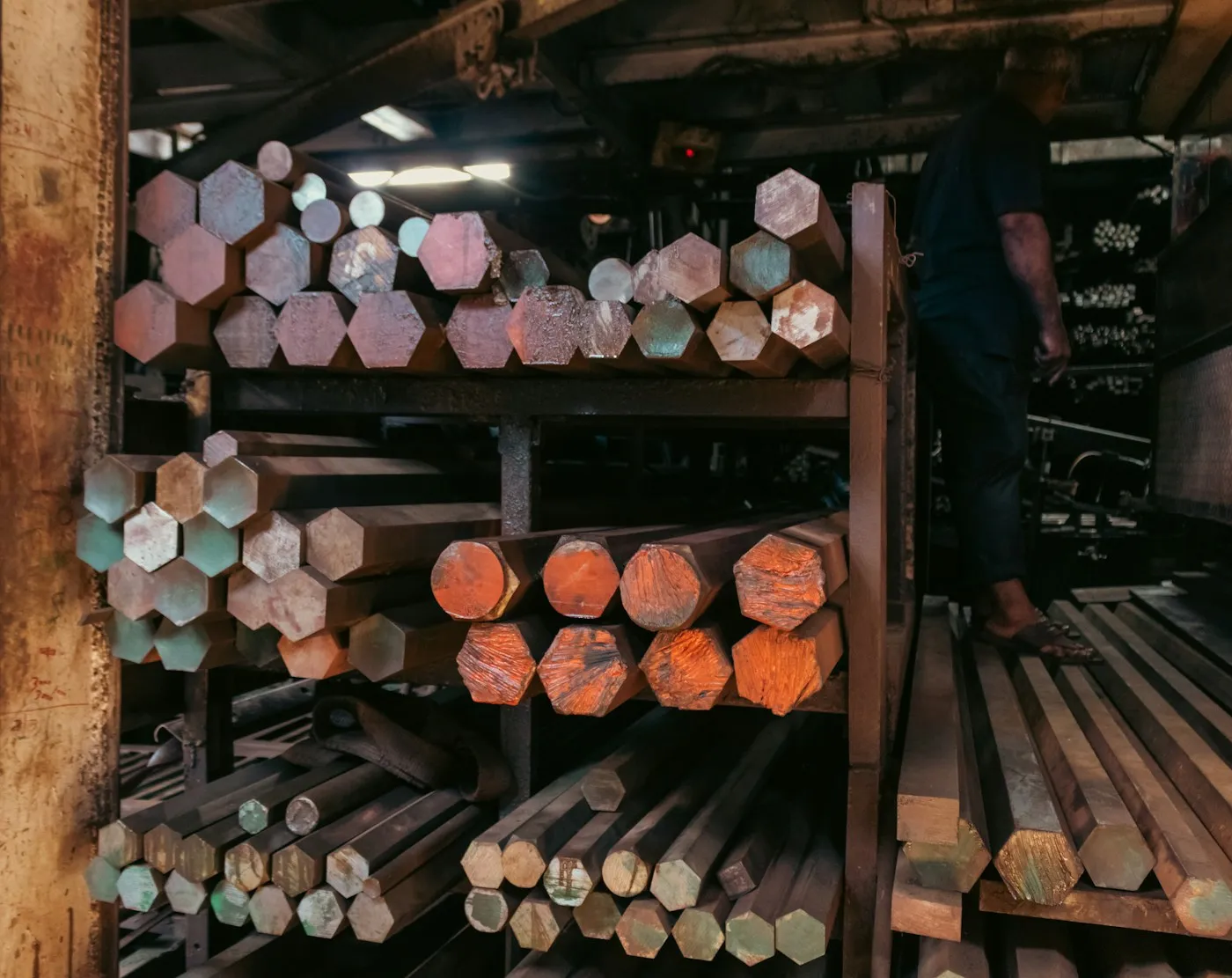
About NAK80 steel
A pre-hardened mould steel designation requested for precision moulds and high-finish tooling applications.
Nayan Enterprises handles NAK80 supply enquiries from Mumbai. Grade equivalence can vary by standard, manufacturer, and revision, so purchase orders should use the designation stated on the approved drawing or material specification.
Common applications
Mirror-finish moulds
Optical components
Applications are indicative, not a material-selection recommendation. Confirm service conditions and treatment with your technical team.
Forms and RFQ checklist
- Forms to request
- Round bars, Flat bars, Sheets and plates, Heavy blocks, Tool blanks
- Dimensions
- Diameter or width × thickness × length, with tolerances where relevant
- Commercial details
- Quantity, required delivery condition, delivery location, and target date
- Confirmation
- Availability, mill or make, form, size, and commercial terms are confirmed against the RFQ
NAK80 steel FAQs
Answers for buyers preparing a clear material enquiry.
What is NAK80 steel commonly used for?
NAK80 is commonly specified for precision plastic moulds, mirror-finish moulds, optical components. Suitability depends on the drawing, heat treatment, dimensions, and operating conditions.
Which forms of NAK80 can I request?
Round bars, Flat bars, Sheets and plates, Heavy blocks, Tool blanks can be included in an RFQ. Nayan Enterprises confirms available forms, dimensions, condition, and quantity after reviewing the requirement.
What should I include in a NAK80 RFQ?
Send the exact grade or standard, form, dimensions, quantity, required delivery condition if applicable, and delivery location. Include a drawing or datasheet for proprietary specifications.
Can Nayan Enterprises confirm whether NAK80 is right for my application?
Nayan Enterprises can support the supply enquiry, but final material selection and heat treatment should be approved by your tool designer, metallurgist, or application engineer.